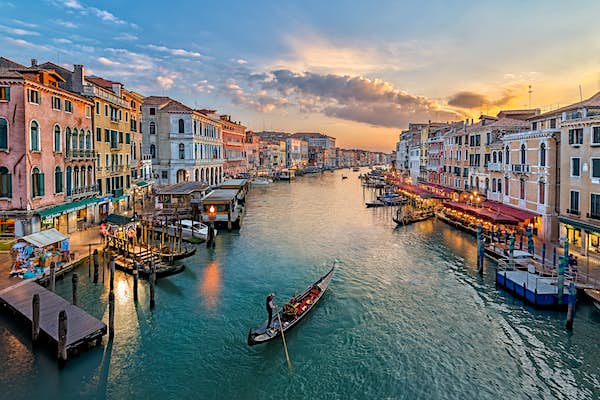
Once upon a time in the enchanting city of Venice, a visionary curator named Alessandro Rossi conceived the idea of a groundbreaking museum that would celebrate the four pillars of human achievement: Music, Machines, Manuscripts, and Masterpieces. In the year 2005, Rossi, an eccentric lover of both art and technology, decided to bring together these diverse elements under one roof and named it the “4M Museum.”
The museum found its home in a beautifully restored Venetian palazzo, known for its rich history and architectural splendor. Rossi’s vision was to create a space where visitors could immerse themselves in the evolution of human creativity across different domains. The 4M Museum opened its doors to the public in 2008, becoming an instant sensation in Venice and beyond.
The Music section of the museum showcased a stunning collection of musical instruments from various cultures and historical periods. From ancient string instruments to cutting-edge electronic synthesizers, visitors could trace the evolution of music and experience the harmonious blend of tradition and innovation.
The Machines wing featured an array of mechanical marvels, ranging from ancient inventions to the latest technological advancements. Visitors marveled at the intricate designs of early clocks, the ingenuity of Leonardo da Vinci’s machines, and the futuristic robots that hinted at the possibilities of tomorrow.
In the Manuscripts section, the 4M Museum housed a rare collection of illuminated manuscripts, ancient scrolls, and handwritten notes from some of history’s greatest minds. The written word came to life as visitors explored the pages of literature, science, and philosophy, connecting with the thoughts and ideas of the past.
The Masterpieces gallery was a treasure trove of artistic brilliance, showcasing paintings and sculptures from various periods and styles. From Renaissance masterpieces to contemporary works, the museum celebrated the diversity and beauty of human creativity.
Over the years, the 4M Museum became a hub for cultural exchange, hosting international exhibitions, symposiums, and performances that bridged the gap between the arts and sciences. It became a must-visit destination for scholars, artists, and curious minds from around the world.
Alessandro Rossi’s dream of creating a space that celebrated the four dimensions of human achievement had come to life in the heart of Venice. The 4M Museum continued to evolve, inspiring future generations to explore the intersections of music, machines, manuscripts, and masterpieces, forging new paths of creativity and discovery.